
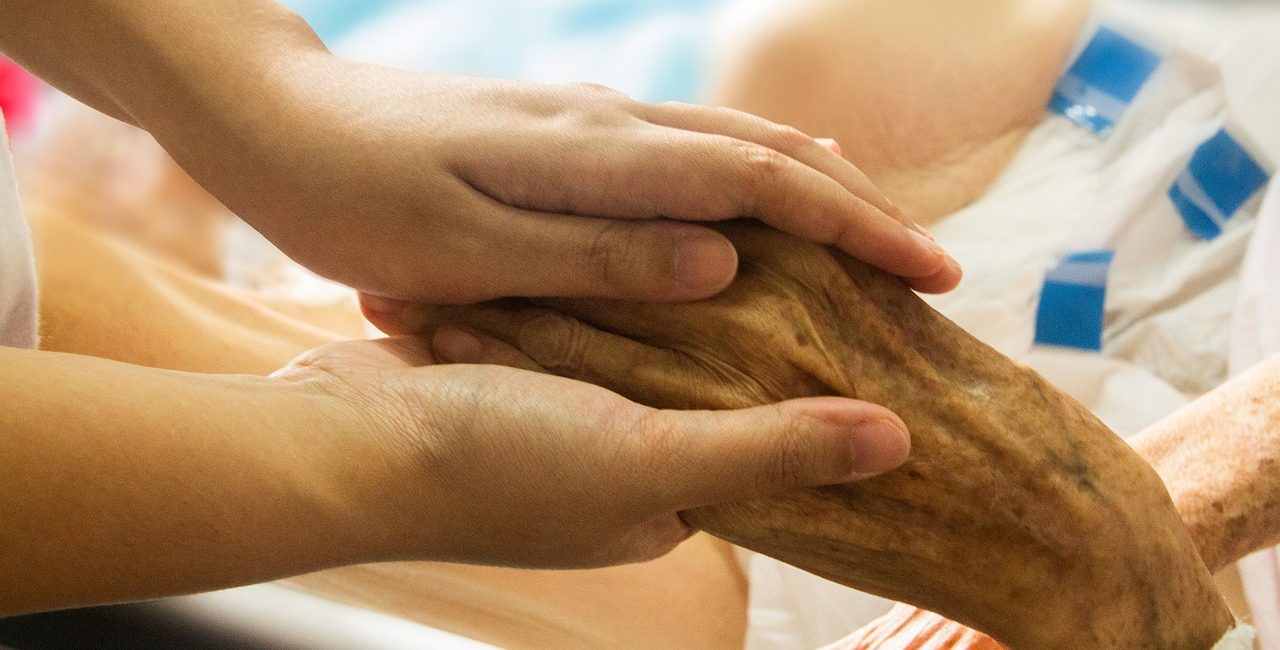
In 2025, the Home Care Support Teams for palliative care (ESAD) helped 2,689 patients with severe illnesses. More than 200 of these patients were children with palliative requirements and complicated chronic conditions. This was a 20% increase from the 2,237 patients helped in 2024.
In 2025, the teams helped by making more than 7,800 house visits and more than 24,400 phone calls.

By December, the teams had provided care to over 200 children suffering from complex chronic illnesses or in need of palliative care. The kids, who are between 6 and 7 years old on average, have received more than 5,800 home and phone healthcare interventions. Congenital disorders are the most common ailment among them, even more so than childhood cancer.
There are 19 Home Care Teams (ESAD) in the Region that give patients with serious illnesses full care in their own homes. Nurses, doctors, and nursing assistants make up the home care teams. The hospital teams are made up of nurses, doctors, and specialists in internal medicine, oncology, and nursing. They work with other healthcare professionals, like social workers, physiotherapists, and psychologists, as well as with different organisations.
The regional coordination of Palliative Care has also created the “Action Guide: Palliative Care for Primary Care Professionals.” This guide aims to gather the provision of palliative care at this level of care and make sure that patients with palliative needs are found and assessed early, that their information is recorded in their medical record, and that the team provides complete care.
This article gives primary care clinicians tips on how to find patients who need palliative care early on. This way, they may create a personalised care plan that is always up to date and meets the patient’s needs without duplicating services.
The website “Cuidar y Paliar” (Care and Palliate) is a place for patients, family members, carers, professionals, and anyone else interested in advanced disease processes and palliative needs to meet. It is divided into sections for adults, children, and teens.
Taking care of the carer
In 2025, the Occupational Mental Health Unit started a support group for professionals in palliative care support teams under the Regional Coordination of Palliative Care. The purpose was to improve their emotional and professional health.
The exercise, which is set to continue next year, lasted over 40 hours and involved more than 30 specialists from palliative care teams in different sectors of healthcare. These sessions help people who work in very complicated and emotionally taxing settings take care of themselves and stay well.
Also, the 2025 Strategic Training Plan for Palliative Care includes a promise to keep training additional professionals who work on palliative care, like those who work with 061, in residential settings, and in primary and hospital care.

Author: Derek Appleton

Other Articles






No Comment! Be the first one.