
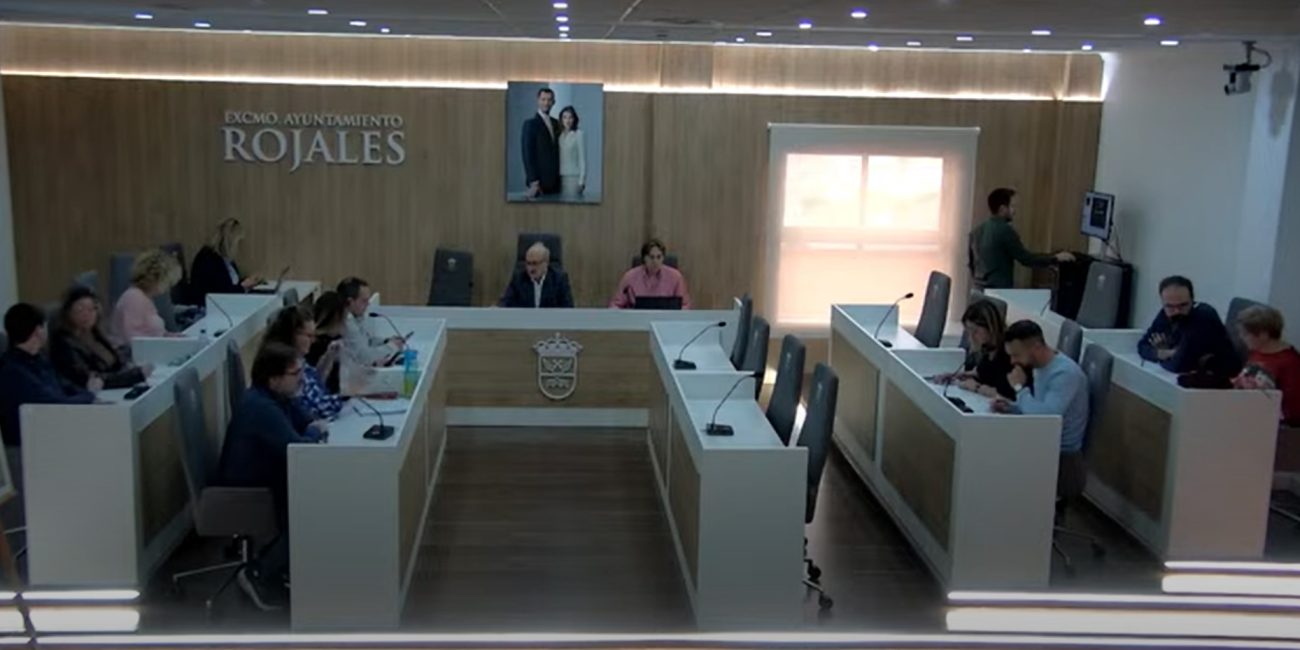
Antonio Pérez, the long-time mayor of Rojales, will have a hard year and a half in office since people are questioning his absolute majority. The Mayor was able to once again claim the majority vote that has allowed him to run Rojales for the past fifteen years. This happened at the special plenary session to approve a fresh rise in waste collection costs. This rise is 17% on top of the 60% rise that was approved last year.
There are nine councillors on the Socialist governing team. Eight councillors from the opposition are standing in front of them: five from the PP, two from Ciudadanos, and two from the independent Pader party.

Eight of the nine councillors raised their hands when Pérez asked for a vote. Eight people voted against it. Tatiana de Gea, the Socialist councillor, did not vote in favour, nevertheless. She hadn’t put her hand up. Because this was so strange, the mayor called the vote and ended the meeting.
I didn’t vote
The councilwoman said she hadn’t voted. The Socialists were shocked and confused. After about 15 minutes of discussion with the technical staff and the council members, one of whom was on his way to the airport, the mayor, who has been in office since 2003 (with the People’s Party taking over from 2007 to 2011), finally called the plenary session back to order and held the vote again. De Gea didn’t vote. There was a tie in the voting, with eight votes for and eight against. Antonio Pérez had to make the deciding vote, which in these situations goes to the local government.
Tatiana de Gea is the Rojales Town Hall’s councillor for health, cleaning municipal buildings, and the environment. This time, she became a member of the ruling team. If Pérez wants the things that are spoken about in plenary sessions to be approved, he will have to think carefully about what he does from now on. If the councillor changes her vote and starts to oppose the Socialist plans, the PSOE will no longer have the absolute majority it has had in this town of 20,000 people for the previous fifteen years. It’s a full-blown government crisis because the vote in the plenary session depends on it.
The opposition was just as surprised by the councilwoman’s decision as the PSOE was. They criticised Pérez for raising the rubbish collection price by 60% last year and then failing to do so again this year by 17%. This is the case in most towns, where people are unhappy with the collection service and it is the most common complaint from people living in the town centre and nearby residential neighbourhoods.
The argument around the tax increase
Antonio Pérez said that the rise will just maintain things the same. There is still a debate going on about the tax hike. The rule says that the money from the cleaning and trash collection fee must be changed to match the real cost. The Spanish government has to follow a European directive, hence this rule applies to all municipalities in Spain.
This law sets up the “polluter pays” premise and says that people who recycle the most should get paid. The issue is that local councils are raising charges without letting households sort their trash at the source, which would cut down on the amount of trash that goes into the bins. For instance, there are no incentives for recycling at the source, and the fifth container is only used a little bit in the Vega Baja region’s towns.

Author: Derek Appleton


Trial of Orihuela Mayor suspended again
Boat catches fire in Cabo Roig




No Comment! Be the first one.