
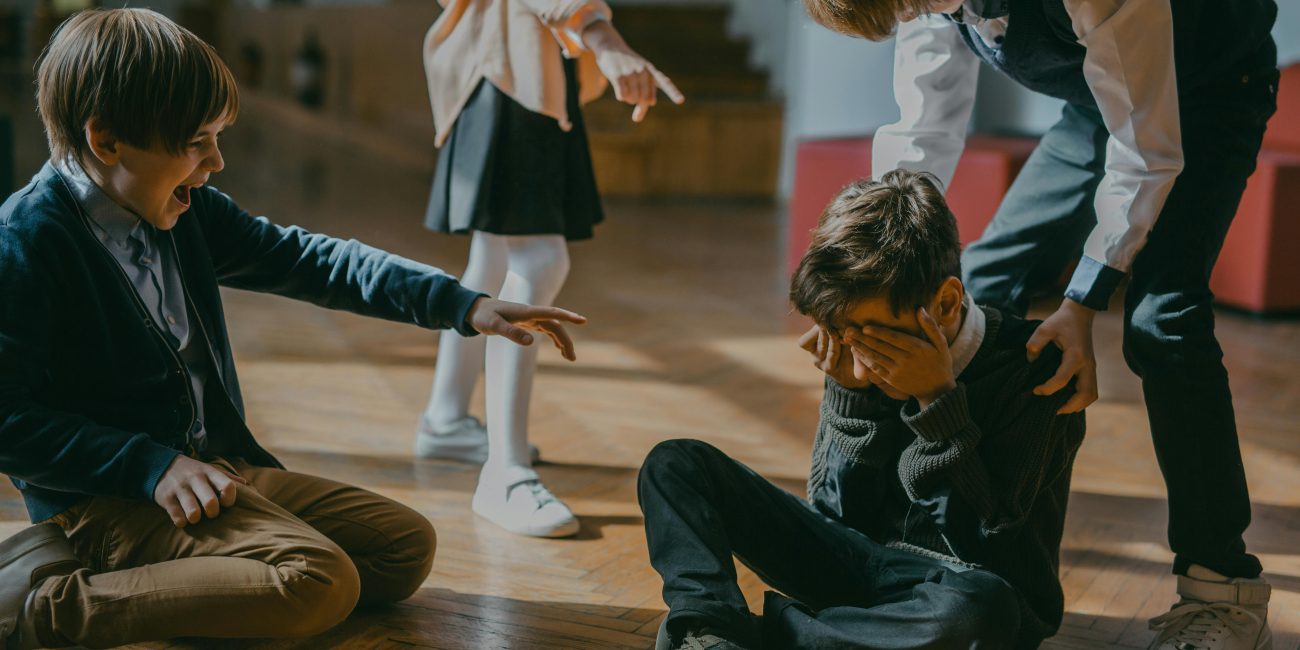
The Valencian Ministry of Education’s new coexistence decree is meant to stop bullying and fights in the classroom, which have increased in the previous five years in the Valencian Community. It will be stricter on repeat offenders who commit significant crimes. These pupils will have fewer chances to avoid punishment, which might mean being sent out of school. Because there have been more cases at schools and institutes, the regional department has decided to make the disciplinary system stronger and give teachers more power.
So, beginning on Three Kings’ Day, when the rules go into force, schools will only be authorised to use conciliatory or reparative measures on pupils once a school year. This limit has a direct impact on the ways that bullies can avoid the worst punishments if they admit what they did and promise to make things right.

According to sources at the regional education ministry, the current rules gave teachers more freedom because pupils couldn’t apply these dispute resolution methods if they had done something similar in the same grade. But these ideas won’t work for children who do anything more significant, like criticising someone or hitting someone. The new order, which intends to make schools better able to deal with violence in the classroom, makes mediation a less common choice.
In circumstances of serious wrongdoing, students might choose a system centred on admitting their behaviour, showing remorse, and making apologies. This is what the “conciliation plan” is all about. If the student breaks the rules again in the same school year, though, they will no longer be able to use this option, and the school must go straight to the regular disciplinary process. This alternative is also not accessible if the student’s behaviour may be a criminal and the Public Prosecutor’s Office and the appropriate regional education authority have been told about it.
What are crimes that are so bad?
This law says that hurting, being mean to, insulting, or offending a teacher is a major crime. It also says that any kind of harassment or cyberbullying against students or staff is a serious crime. This group also includes threats and coercion, physical or mental aggression, gender-based violence, and any other kind of serious discrimination based on race, ethnicity, nationality, religion, sexual orientation, gender identity, disability, or other personal or social conditions. Harassment and humiliation are also significant crimes, as is sharing pictures of members of the educational community without their permission, especially on social media or other digital platforms. The text also says that substantial and purposeful damage to school property, materials, or documents; impersonation in school activities; falsifying or getting into files and servers without permission; and stealing, especially when done with violence, are all major crimes.
The school administration says that the change is necessary to stop people from using the same tools over and over again to avoid formal punishments.
With this change, the decree makes reconciliation schemes less flexible and puts more emphasis on punishment for repeat offences, even when students are prepared to take responsibility and fix the damage they created.
But the new limit has caused a lot of discussion in the education sector. Families of students think that the limit makes it harder for schools to deal with problems from a teaching point of view and that children should have more chances to set things right. The Gabriel Miró Federation of Parents’ Associations (AMPAs) has been especially harsh on the regional government’s choice and has said that kids should have more chances to apologise.
The PSPV has also openly rejected this strategy, saying that it is wrong to limit the development of coexistence plans to the management team and to make the punishment model stronger, which hurts mediation and making things right.
The earlier cohabitation ordinance was more about mediation in dispute.
Regret
For a student to be able to take part in this work-life balance plan, the Education Department says they must sign a collaboration agreement with the school, the student, and their parents or legal guardians. This agreement will make sure that the planned activities and steps are in line with what teachers and other professionals want. The student must also admit to the serious crime, say they’re sorry, or make amends, and follow all other school rules and requirements, as long as they don’t discriminate against the victim or violate their rights.
The centre might give out assignments that require thinking and learning how to be respectful.
If the school lets a student who started a fight take this path of repentance, the punishment will be less harsh than what would have been given in a disciplinary hearing. This is because these measures are not meant to punish but to correct and teach. Along with the apology, fixing the damage, and promises to behave well, the school may give the student educational tasks related to getting along with others, reflective or learning activities about rules, respect, or getting along with others, or actions that strengthen the student’s personal and social responsibility.
When it comes to discipline, Education thinks about temporarily changing groups, temporarily suspending attendance at certain classes or at the centre, temporarily suspending participation in complementary or extracurricular activities, or temporarily suspending the use of the center’s extra services.
If you bully a child with special needs, it will be seen as a worse crime and you will get a heavier punishment.
These steps are made more stronger by a new rule from the regional ministry that punishes people who abuse pupils with special educational needs. This is seen as an aggravating factor.
In effect, this will mean that the person who did it is more responsible, which could lead to harsher punishments. The FAPA Gabriel Miró has praised this because it has met one of its demands. In fact, bullies often go after kids with attention deficit hyperactivity disorder (ADHD) or autism.
Responsibilities and rights
The Education Department sets rights and obligations for children, teachers, and families, just like it did in the 2022 order. This department has promised to give teachers more power, yet the rules that were put in place are almost the same in both cases.
One of the most important principles is that the teacher will be able to make the decisions they need to make, following the norms of behaviour, to keep things good and peaceful during class, after school activities, and other events. They will also have the right to enough legal help and protection while they are teaching.
Both decrees protect students’ rights to a good education, a safe and violence-free environment, involvement in school life, and to be heard in any processes that impact them. The 2025 decree’s innovation is to strengthen personal and disciplinary responsibility by tying the use of these rights to the active performance of obligations including attendance, respect for teachers, maintenance of facilities, and following the rules of conduct. Both decrees say that families or guardians have the right to know about their child’s academic achievement and school rules, as well as to take part in school life through recognised channels. In addition to making sure their kids go to school and respect their teachers, they also have to follow the rules.
The Parents’ Associations of Gabriel Miró school, on the other hand, think that the rules aren’t strong enough to punish teachers who insult, attack, or hurt pupils. “We want instructors to be punished in the same way that children are. “It’s not right that a teacher can insult a student in class and then wait two school years before being punished,” says their representative, Sonia Terrero. She encourages the regional education ministry to make another rule that punishes instructors who act badly with pupils.

Author: Derek Appleton

Other Articles

Cartagena Local Police begin a campaign against bill-posters
Reduction of the blood alcohol limit is stalled in Congress



No Comment! Be the first one.