
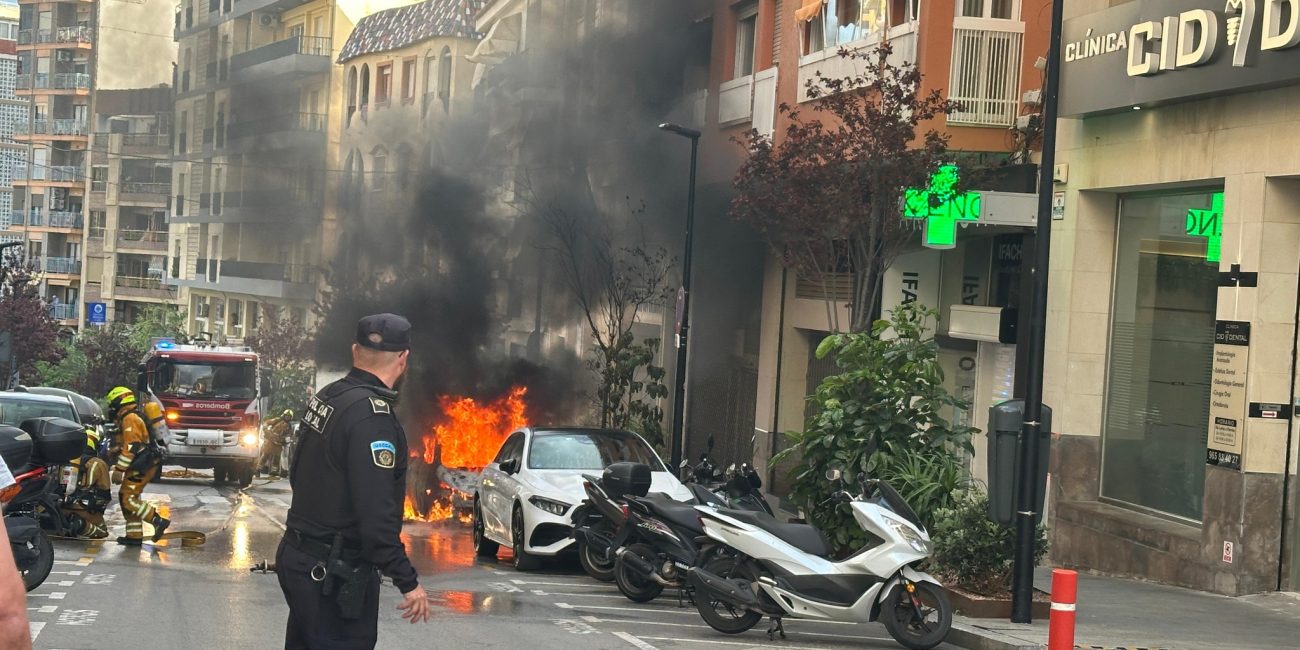
Calpe’s Mayor, Ana Sala, said on May 12th that she will not renew the municipal contract for electric cars following a frightening fire that broke out on one of these vehicles parked in front of the town hall a few days earlier, on April 29th. Sala proceeded to announce the hiring of cars powered by alternative fuels, including diesel, petrol, and even green hydrogen. And that was all.
Sala later restated these same reasons in an interview with Cadena Ser, and almost a month later, such an announcement has made headlines across the country. And all hell broke loose.

The Mayor’s comments fuelled an already heated discussion. As a result, they have been on the front pages of the automotive sections of the country’s major newspapers and speciality periodicals. The headlines are all the same: Calpe is the first Spanish city to implement this action. This action carries significant implications for the automotive industry.
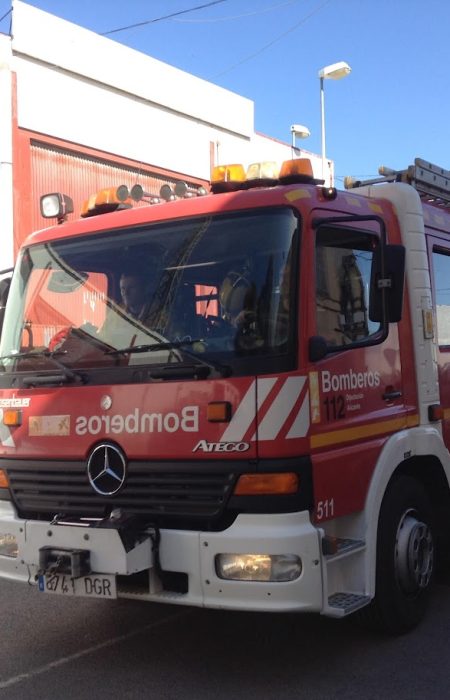
According to AutoBild’s title, Madrid’s decision represents a “180-degree turn” in electric vehicle strategy, at least in terms of local councils. This is especially relevant given that other communities have also had problems. Thus, this publication states that Madrid has endured a “black year” due to problems caused by electric batteries, with multiple fires reported. The most dramatic incident happened at Alcorcón, where three firefighters died.
In fact, the mayor of Calpe pondered what would have occurred if the car that burnt in front of her town hall had been parked in the municipal parking lot, as is typical. Events like the one in Alcorcón offer an answer.
For all of these reasons, AutoBild reports that several parking lots in Madrid have begun to prevent electric vehicles from entering the city, depending on the right of entrance to reduce dangers. Parking lot owners complain that turning off these lithium batteries is more expensive and that the fires might restart hours after being extinguished.
Are there any ways to extinguish these flames?
In one of the articles most supportive of the Calpe government’s decision, 20 Minutes elaborates on that last point: “One of the main reasons the Calpe fire caused alarm is because putting out fires in electric vehicles requires special techniques and resources that are not always available in small or medium-sized towns,” it says.
In the same vein, El Pais acknowledges that “electric car fires are not very common, but they are serious enough to have consequences.” El Confidencial goes on to state that the Zaragoza fire station has acquired a big fire tub to extinguish electric car fires, “demonstrating the need for adequate infrastructure to manage the risks associated with this technology.”
Using Calp as an example, El Confidencial states that “the transition towards more sustainable mobility requires an infrastructure that guarantees its safe use.” As a result, it predicts that there will not be a flood of electric cars, as was previously believed: “It’s likely that in the coming years we’ll see a combination of technologies in municipal fleets, adapted to the capabilities of each locality and seeking a balance between sustainability and safety.”
Infobae examines the issue from the eyes of consumers, who increasingly have “a greater perception of lower reliability and durability” in these more expensive products.
This media outlet offers an uncommon perspective: it warns that the Calp City Council’s proposal “could have consequences for access to European funds, since European Union funding programs, such as Next Generation, are aimed at promoting decarbonisation and clean technologies.” Accordingly, “replacing electric vehicles with combustion-powered cars could mean losing these grants.”
For the time being, the Calpe government appears to be unconcerned that their move may offend Brussels.
The self-serving perspective of the “media panic”
The article from the newspaper FGE (Electric Car Forums), which, as the name implies, advocates for this sort of vehicle, is vastly different. In its headline, FGE says that Calp’s choice could have been a “absurd measure.” It also relates the belief in the “supposed danger of electric car fires, which actually burn much less frequently than internal combustion engines,” to “media panic.”
To back up this claim, this website contradicts what other media have claimed, claiming that the car that burnt in Alcorcón was not electric.
However, the FGE cannot deny that an electric car caught fire in Calp. Hence, it dismisses the mayor’s decision without going into the substance of the matter and in an unskillful manner: it takes advantage of Sala’s consideration of green hydrogen to attest that “the fact that she cites a technology as uncommon and as expensive as hydrogen leads us to think that she is not well-versed in sustainable mobility issues.” And that’s it.
According to El Pais, Sala warned that he would not launch a campaign against electric cars and conceded that the fire was an isolated incidence. However, he stated that he chooses not to take any further risks.

Author: Derek Appleton
Discover more from Costa Blanca Daily
Subscribe to get the latest posts sent to your email.


No Comment! Be the first one.