
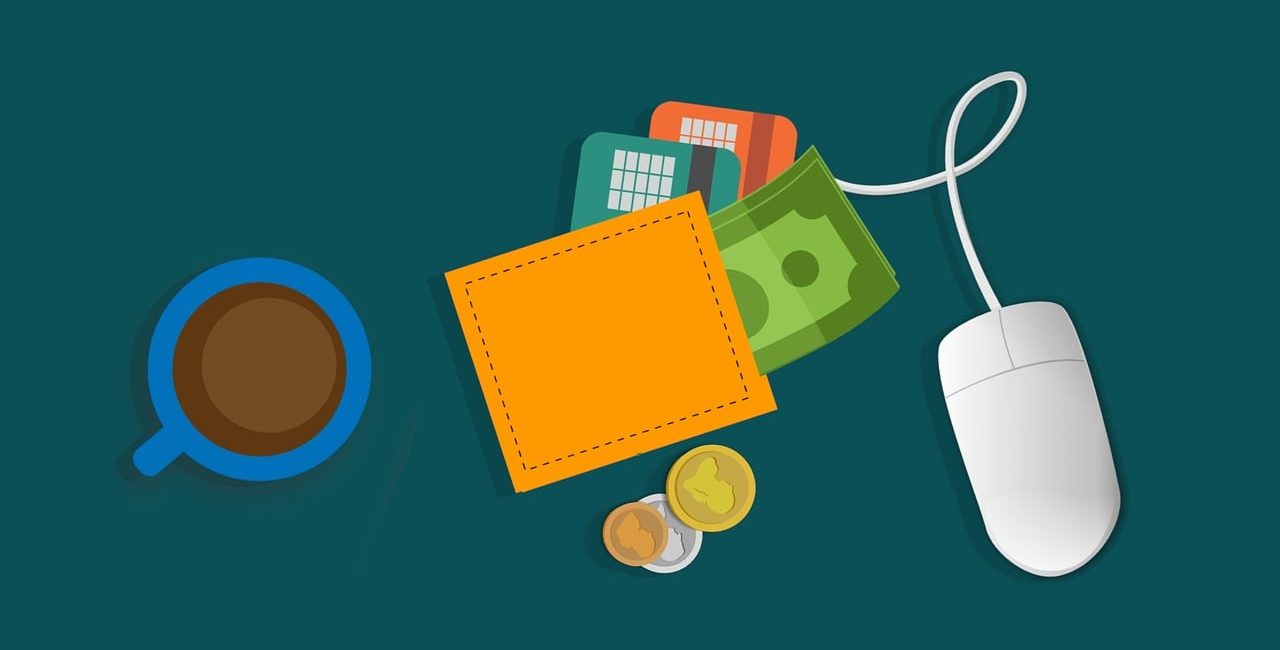
By the end of 2026, the European Digital Wallet will be available all around Europe. Benidorm has been chosen as a trial city in the hotel industry for now. The wallet will feature an app that is projected to save ten hours a day on customer registration.
The European digital wallet’s data shows that registering guests saves a lot of time for the staff—about ten hours in places with 200 rooms—so visitors don’t have to wait as long. It also makes things safer, makes customers happier, and lowers the costs and burden of running the business for reception workers.

No more paperwork
A few days ago, the manager of the Michelangelo flats tested all of these benefits. He applauded the system for cutting down on a lot of administrative paperwork and for following the new law that hotel owners must give verified data.
It’s vital to remember that the digital wallet will let you identify citizens and businesses, as well as safely store, share, sign, and seal important digital documents. A new digital means to get to all of our personal, health, banking, academic, travel, leisure, and shopping information.
First test in Benidorm
Fabián Torres, Business Development Director of SICPA, a worldwide private technology business, did the pilot test in Benidorm. He is the first person in Europe to test the system in the hotel and tourism sector.
He says that he came up with the test at home when he downloaded the European wallet, uploaded his identification and personal information, and then added the new information that the updated laws demanded.
He used his smartphone to scan the QR code at the front desk of the hotel. He says, “The process was completely automatic, safe, and fast.”
Torres said that Benidorm was chosen for the experiment “because of the large number and influx of tourists of various nationalities.” This made it possible to test the wallet with different entities because it is an extraordinary laboratory of digital innovation in tourism worldwide.
The Visit Benidorm Foundation worked on the trial, which was a demonstration that the European Union was involved in through Fabián Torres’s membership in the “European Wallet Consortium (EWC).
We own the data in the digital wallet, it’s safe, and consumers know who they share their information with.
“We’ve been working on this project for eight years. The digital wallet is now out, so every country can use it. It should be available by the end of 2026.” The State Secretariat for Digitalisation and Artificial Intelligence (SEDIA) runs it in Spain.
There are concerns regarding how that data is managed when a wallet holds all of a person’s personal information and transaction histories. In this case, the EWC member says that it is a safe wallet “where we own the data and where the secrecy comes from its strong protection; users will know exactly who they are sharing their data with.”
In the hand
The digital wallet will let Europeans roam around the EU freely, no matter what. They will be able to manage everything from their cellphones. This includes buying food on the airline before boarding and checking in at their hotel when they get there, when the hotel will send them the digital key online.
The new European Wallet will let people keep a digital copy of their ID card, passport, transport tickets, hotel voucher, tickets for possible excursions, health documents, and Personal Identification (PID) in the palm of their hand. They will be able to use these to do all the things they need to do to travel.

Author: Derek Appleton

Other Articles

Displaying the Pride flag is legal


No Comment! Be the first one.