

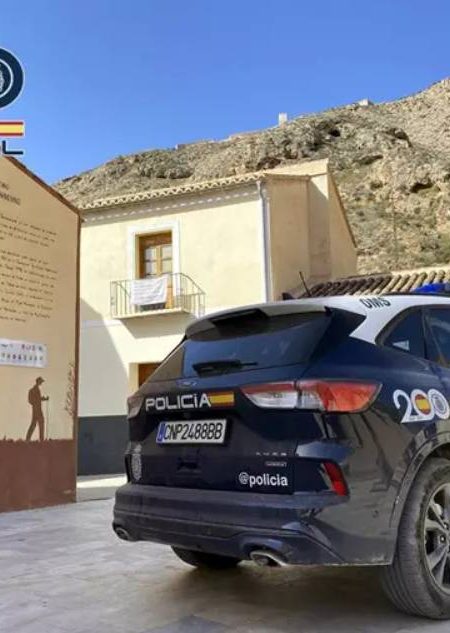
The National Police have broken up a criminal group that operated in ten provinces, including Alicante. This group made and sold fake prescriptions through messaging apps to get drugs that need a prescription, like anxiolytics, which are very popular among drug addicts.
During the operation, 12 people were taken into custody in the provinces of Madrid (2), Toledo (2), Cantabria, Orense, Córdoba, Alicante, León, Palencia, Zamora, and the Balearic Islands. In the province of Ávila, one person is also being looked into but is not in jail. The judge ordered that the two leaders of the group be remanded in pretrial detention after all 12 inmates appeared before him. The police say they are part of a criminal group, sell drugs, commit computer crimes, fake documents, and steal people’s identities.

The police raided eight places at once, including one in Alicante. They took more than 1,000 pills of different drugs, phones, computers, knives, and fake guns.
Last June, the investigation started after finding profiles and instant messaging groups that were selling fake prescriptions for getting drugs, especially painkillers, anti-anxiety drugs, and anaesthetics, which are only available with a doctor’s prescription.
The qualifications of doctors
The way they did things was to illegally get the credentials of certified doctors and then pretend to be them to write prescriptions. After that, they sold these fake prescriptions on instant messaging sites to get drugs that are unlawful to give out without a prescription.
They also made computer tools that let people make their own formulas, in addition to selling drugs directly. The goal was to automate the illicit business and make more money.
This kind of crime was very profitable and very risky. The fake prescriptions were meant for persons who wanted to get drugs that were illegal or drugs that shouldn’t be taken without a doctor’s supervision. On the other hand, these tactics were also used to sell drugs on the black market, which helped the illegal trafficking of drugs.
Structure of a hierarchy
As the inquiry went on, the investigators were able to find the criminal network, which was made up of a pyramid of people with two men at the top. They were in charge of the people who made the software programs and hacked the healthcare professionals’ credentials. At a lower level were the people who were in charge of keeping the software up to date and all IT support. At the bottom of the hierarchy were the drug dealers themselves.
Last November, an operation led to eight searches in Madrid (1), Torrelavega (1), Orense (1), Cordoba (1), Alicante (1), Toledo (1), Alcobendas (1), and Ponferrada (1). Twelve people were arrested, including the leaders of the network, for crimes such as being a member of a criminal organisation, harming public health, damaging computers, forging documents, and stealing identities.
The arrests happened in the provinces of Madrid (2), Toledo (2), Cantabria, Orense, Córdoba, Alicante, León, Palencia, Zamora, the Balearic Islands, and one person was arrested but not held in the province of Ávila. The two leaders of the group were ordered to be held in jail after being taken before the courts.
The searches found more than 1,000 drugs, 14 cell phones, more than €44,000, mass storage devices, bank cards, knives, and fake guns. The investigation is still going on, and further arrests could happen.

Author: Derek Appleton
Discover more from Costa Blanca Daily
Subscribe to get the latest posts sent to your email.

Other Articles



No Comment! Be the first one.