
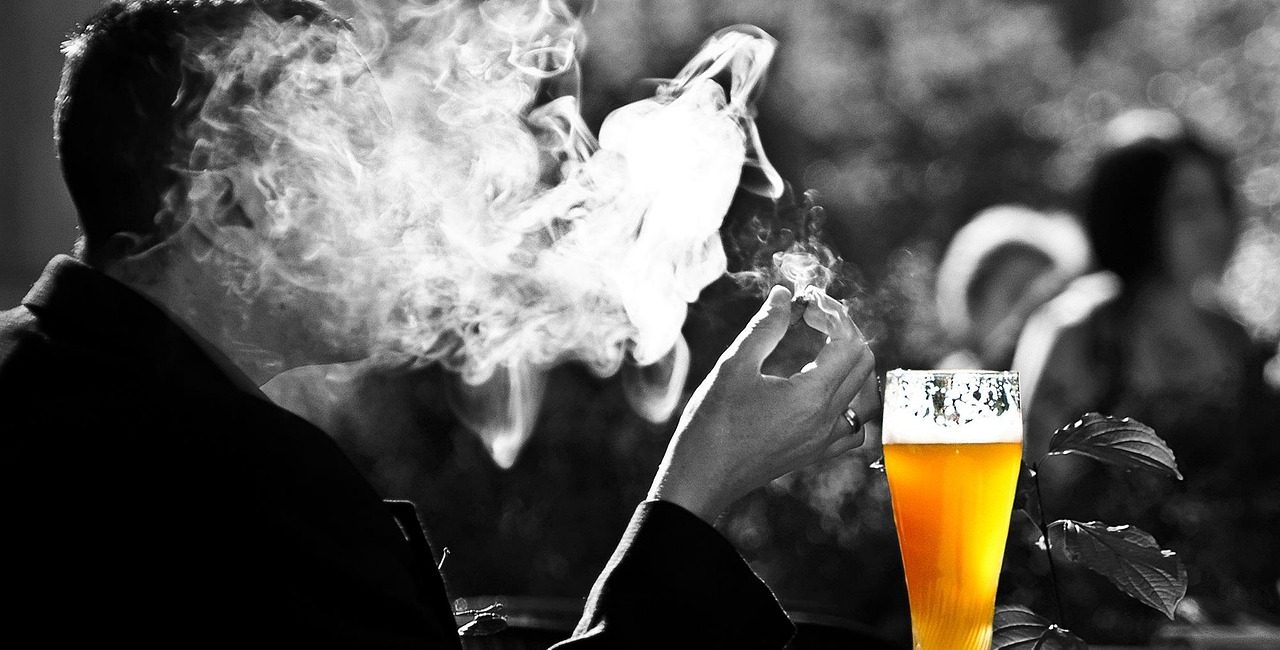
The reality of 20 years ago, when it was common practice to light up a cigarette at a restaurant after dinner without even leaving the table, seems unimaginable to us today. In 2001, individuals smoked in nightclubs, at work, at the airport, and in classrooms. Everywhere they went, they smoked. Because of this, the anti-smoking law was hailed as the end of pubs and restaurants. When it went into effect in 2006, pubs and restaurants had to make renovations to make room for designated smoking areas, therefore its implementation was only partially complete. But after five years, these regions completely vanished. Twenty years later, the 2005 Tobacco Law is praised for accomplishing its goal of fewer regular smokers and less exposure to secondhand smoke, despite strong criticism and many concerns (particularly economic ones).
One in five adults in the Valencian Community smokes, and it’s estimated that tobacco usage causes about 6,500 deaths annually. The 2022 Valencian Community Health Survey found that 2.6% of individuals over 15 say they smoke occasionally, and 17.6% say they smoke regularly. As stated in the “Position Paper on Smoking of the Valencian Medical Institute and the Federation of Scientific Societies” from the previous year, despite “the efforts made in the Valencian Community, and in the rest of Spain, to improve the situation of smoking (Law 28/2005, Law 42/2010, Decree 53/2006 of the Consell), many people currently continue to smoke or are exposed to tobacco smoke, and may become ill or die prematurely as a result, although previous experience with legislation on health measures against smoking, demonstrates that society understands and accepts the importance of these measures.”According to the data, the anti-smoking law has cut the number of regular smokers in the Valencian Community in half. In 2001, there were 32% of regular smokers, meaning that one in three adults in Valencia smoked a cigarette whenever they felt like it with very little limitations.

The modifications
Twenty years ago, the Tobacco Law was a watershed, and now it is getting ready for a second wave. The Council of Ministers passed a draft law for new restrictions in September that forbids smoking and vaping in new areas such bus shelters, terraces, and swimming pools. The regulations also broaden the scope to encompass electronic cigarettes, making them comparable to traditional ones. The move, which is anticipated to take effect this year, is a response to international organisations’ recommendations and is a component of the Comprehensive Plan for the Prevention and Control of Tobacco 2024-2027.
The law increases the number of places where smoking is forbidden. It states that within a 15-metre radius of protected areas, such as medical facilities, sports or educational facilities, and playgrounds, smoking (as well as the promotion of anything associated with tobacco and its products) is prohibited. Additionally, it covers additional areas including bar terraces, outdoor performances and concerts, colleges and work vehicles, where smoking will also be outlawed.
The unresolved matter
Though some demands, particularly those related to packaging and pricing, have not been addressed, the new standards are making headway. Tobacco companies have strongly opposed the idea of plain packaging, which is one of the main demands made by physicians and specialists. The goal of plain packaging is to make cigarette packs less appealing to consumers by removing branding and design components. However, since the law will not include any tax increases, both this action and the pricing will have to wait.

Author: Derek Appleton





No Comment! Be the first one.