
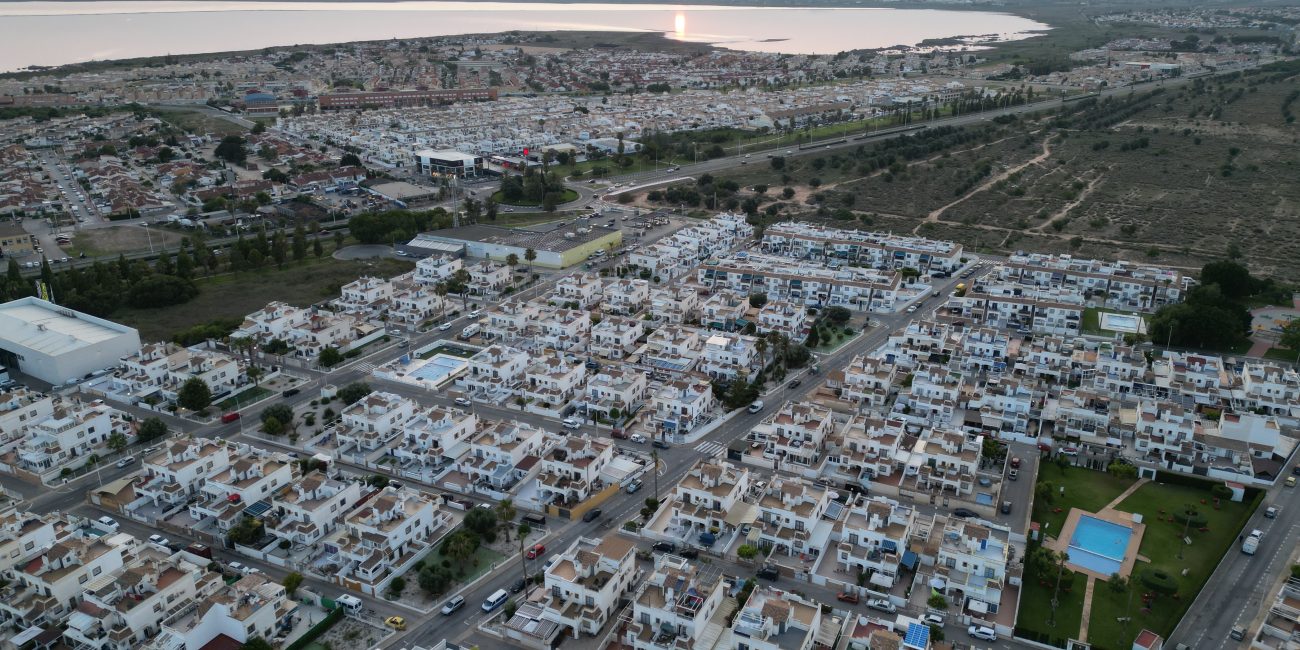
Sueña Torrevieja has asked the Popular Party’s governing team to report on their efforts to address the issue of illegal tourist accommodations in the city. The government has asked platforms to remove 1,240 listings for properties in Torrevieja that lack legal registration and are advertised through these channels. According to Ministry of Housing data, the city has one of the top ten most unlawful accommodation listings in the country.
Only Madrid, Barcelona, Valencia, Seville, Marbella, and Malaga hav more unregulated homes than Torrevieja.

Alert
The municipal group recalls that it had warned of the problem in an April 2024 motion. The group believes that Sueña Torrevieja’s warnings were valid, as evidenced by the removal of illegal housing adverts on digital platforms and the City Council’s 2025 request for Generalitat powers.
Pablo Samper, a councillor for this party, has asked the City Council to publicly report on any new developments or concrete progress following the City Council’s appeal to the Valencian Regional Government for the authority to investigate and penalise unlawful tourist rentals in the municipality.
Councillor for Security, Federico Alarcón, acknowledged that the Local Police currently lack agents specifically assigned to the control of this type of offering, implying that the powers to monitor the presence of tourist accommodation are not being exercised.

Dimension of the problem
The proposal follows the Spanish government’s announcement that it will urge platforms to remove a substantial number of listings for illegal tourist accommodations. According to the municipal party, this step demonstrates the true scope of the problem and the necessity for a tougher response from public authorities.
The Sueña Torrevieja organisation notes that this scenario was reported months ago. The municipal group tabled a resolution at the plenary session in April 2024, warning of the rise in illegal tourist rentals in Torrevieja, its direct influence on housing access, and the problems of coexistence that it was causing among neighbours. The ruling team did not endorse the initiative.
“It wasn’t an exaggeration”
“What the government has announced today validates exactly what we stated when we filed our proposal. According to Pablo Samper, spokesperson for Sueña Torrevieja, the situation is real and worsening.
The municipal group thinks that the Government’s actions involving internet platforms, as well as the City Council’s recent proposal to assume powers in this area, show that Sueña Torrevieja was correct in demanding quick remedies.
“Following our motion, and although late, we have finally been proven right,” Samper told the audience. “The question is clear: where are we now? Is there any response from the Generalitat? Are municipal resources prepared to take action, or are we still seeing announcements?” he asked.
Sueña Torrevieja requires transparency, planning, and political will to handle an issue that directly affects the city’s model and citizens’ quality of life. “Torrevieja needs a City Council that anticipates and defends the right to housing for its residents .”
The data
According to the National Institute of Statistics, Torrevieja will have 4,950 registered tourist lodgings with a total capacity of 23,000 legal beds by the middle of 2025. This figure is down from the record high of nearly 5,500 in 2024. This is in a municipality with the country’s largest second-home market (60,000 properties).
Since 2023, the Generalitat has discontinued the publication of annual reports on the supply of tourist accommodation by municipality in the Valencian Community, instead directing citizens to databases containing individual statistics for each municipality.
Meanwhile, the supply has gotten more professional, and homeowners’ organisations have implemented new legislation that prohibits this type of offer if the majority of residents object to it.
Dozens of Torrevieja homeowners’ groups held annual assemblies in July and August, when many of them have a quorum, expressing their views last summer following the legal change.
Key safes are being installed on facades despite the fact that they are already outlawed
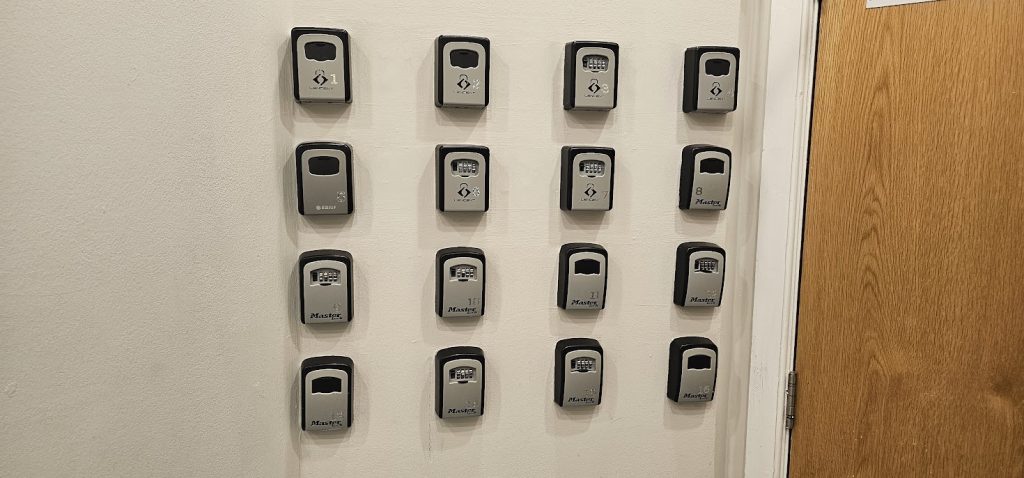
The Valencian Community prohibits the distribution of keys for tourist accommodation via key boxes installed on public roadways. This legislation aims to increase control and reduce disturbances. Alternative access methods must be used, and noncompliance will result in significant fines. Companies or people who use these boxes face severe penalties, particularly if personnel are accessible to monitor the activities. Owners must set up digital mechanisms, physical receptions, or personal handovers. However, in Torrevieja, key boxes are not just being removed; they are also becoming more common, appearing in rows along building facades, particularly at the doors to real estate companies that have jumped on the tourist apartment boom.

Author: Derek Appleton

Other Articles

38 locations in Denia where smart crossings will be installed
Mayor of El Campello takes office as a provincial deputy for the PP




No Comment! Be the first one.